COMMON INJURIES AFTER A CAR ACCIDENT
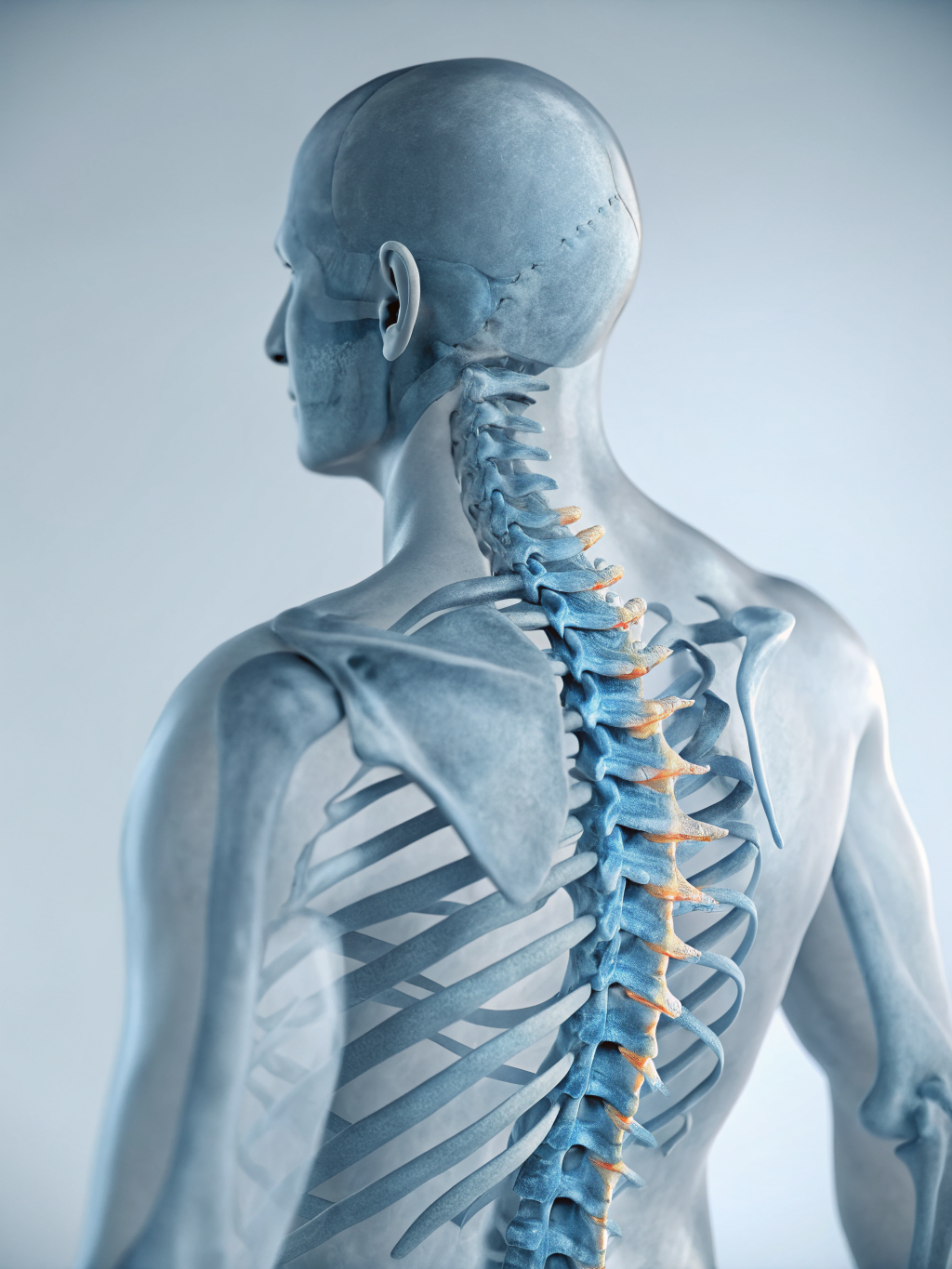
Whiplash
Sudden cervical hyperflexion-hyperextension damaging neck ligaments, tendons, and surrounding spinal joints.
Neck Pain
Acute cervical strain, facet joint dysfunction, and muscle guarding triggered by blunt deceleration forces.
Back Pain
Thoracic and lumbar vertebral joint restrictions, ligament sprains, and postural compensation following impact.
Headaches
Post-traumatic cervicogenic headaches originating from trauma to the upper cervical vertebrae and occipital nerves.
Shoulder Pain
Traumatic impingement and soft tissue damage caused by diagonal seatbelt restraint tension during collision.
Muscle Strains & Spasms
Protective involuntary muscle contraction and micro-tears resulting from high-velocity vehicular momentum.
Reduced Range of Motion
Mechanical stiffness and joint restriction in the spine or extremities that limits everyday functional movement.
Radiating Pain Numbness or Tingling
Neurological irritation or nerve compression in the cervical or lumbar spine extending into the arms, hands, or legs.
Other Accident-Related Musculoskeletal Injuries
Pelvic misalignments, rib cage contusions, and extremity joint sprains sustained during vehicle cabin contact.
X-RAY & INJURY EVALUATION
Request an AppointmentFollowing a motor vehicle accident, invisible structural damage to the spine and bony architecture can occur without immediate external bruising. At CAR ACCIDENT INJURY CARE, diagnostic X-rays are employed when clinically indicated to properly assess spinal curvature, joint alignment, and potential traumatic instability resulting from the crash.
Radiological evaluation is not required for every patient. Dr. Tien performs a comprehensive orthopedic and neurological evaluation prior to ordering any imaging. X-rays are utilized only when your injury mechanism, physical symptoms, or examination findings demonstrate clinical necessity, ensuring precise diagnosis while avoiding unnecessary radiation exposure.